
International Dysphagia Diet Standardisation Initiative
Puree diet IDDSI Level 4 (197kB pdf)
What are Puree foods (IDDSI Level 4)?
Puree foods
- Are usually eaten with a spoon
- Do not require chewing
- Can be piped, layered and moulded but can’t be poured
- Will hold its shape on a plate
- Have no lumps, fibres, bits of shell/skin, husk, gristle/bone
- Is moist and not sticky or rubbery
- Have no separate thin fluids or mixed consistencies
- Are to have no garnish
What does this mean for me?
A speech and language therapist has recommended your diet to be modified to Puree (IDDSI Level 4). By modifying food to this consistency, eating may become easier and safer for you, reducing the risk of aspiration (food/fluid entering the airway), which can occur when a person has dysphagia (swallowing difficulties).
How to prepare puree food
- A hand blender/ricer is the best way to puree food
- Flavourings can be added to food e.g. herbs and spices (before blending)
- Food needs extra moisture to achieve a smooth consistency. For example, blend potatoes with cream, or milk or meat with gravy
- Don’t blend food with water as this decreases its nutritional value
- Blend each food group separately and place individually onto the plate to make it look appetising (do not mix together)
- Moulds can be used to help presentation
Hints and tips
If you are unsure whether your food is the correct consistency for a puree diet, you can test it by using a spoon or fork:
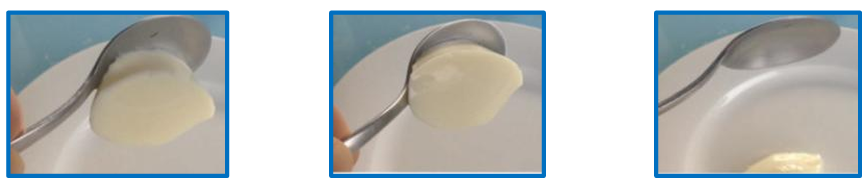
Holds its shape on a spoon and slides of in one movement leaving no residue, the texture should not be firm or sticky.
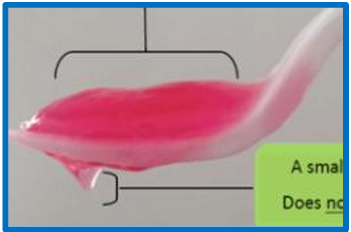
Sits in a mound or pile above the fork but a small amount may flow through fork prongs to form a tail but will not dollop, flow or drip.
Ideas for a Puree diet (IDDSI Level 4)
The websites below may provide some ideas and general guidance for puree meals/recipes:
- Eating with Dignity
www.eatingwithdignity.org/recipes - Wiltshire Farm Foods
https://www.wiltshirefarmfoods.com/about-our-food/puree-meals-level-4 - Oak House Foods
https://www.oakhousefoods.co.uk/all-meals/puree.html
Unsafe swallow (dysphagia)
Symptoms of dysphagia may include:
- Coughing
- Wet/gurgly voice
- Pain on swallowing
- Eyes watering while eating/drinking
- Repeated chest infections
- Drooling/dribbling
- Difficulty breathing during or just after eating
- Unintentional weight loss
- Sticking sensation in throat or chest
Safe swallowing advice at meal times
- Ensure you are fully alert
- Sit upright while eating and drinking and for 30 minutes after
- DO NOT eat while lying down, it is very unsafe to swallow in this position
- Eat slowly, have small mouthfuls and take time
- Try not to talk while eating or drinking
- Check that there is no residue left in the mouth, either by using your tongue, using a mirror or asking someone
- Minimise distractions by turning off the radio, TV etc.
If you have any concerns regarding your swallowing, please contact your GP for a referral to the local speech and language therapy team.
Further information
Wiltshire Farm Foods: www.wiltshirefarmfoods.com
Oak House Foods: www.oakhousefoods.co.uk
International Dysphagia Diet Standardisation Initiative: iddsi.org/framework/
If you would like to give feedback on your care, please contact our patient experience team on [email protected] or 01279 827211.