
Overactive Bladder (353kB pdf)
Introduction
We hope this guide will answer your questions about Overactive Bladder. Please contact the team if you require further information via the details at the end of this leaflet.
What is an Overactive Bladder?
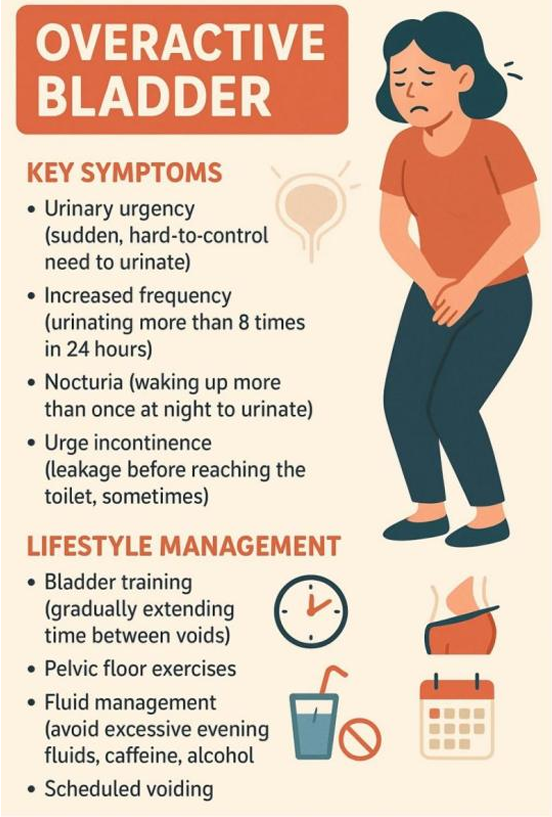
An Overactive Bladder (OAB) is a common condition where you have a sudden compelling urge to pee which is hard to hold back. OAB is characterised by 4 symptoms; urgency, frequency, nocturia (waking at night to pee), and urge incontinence.
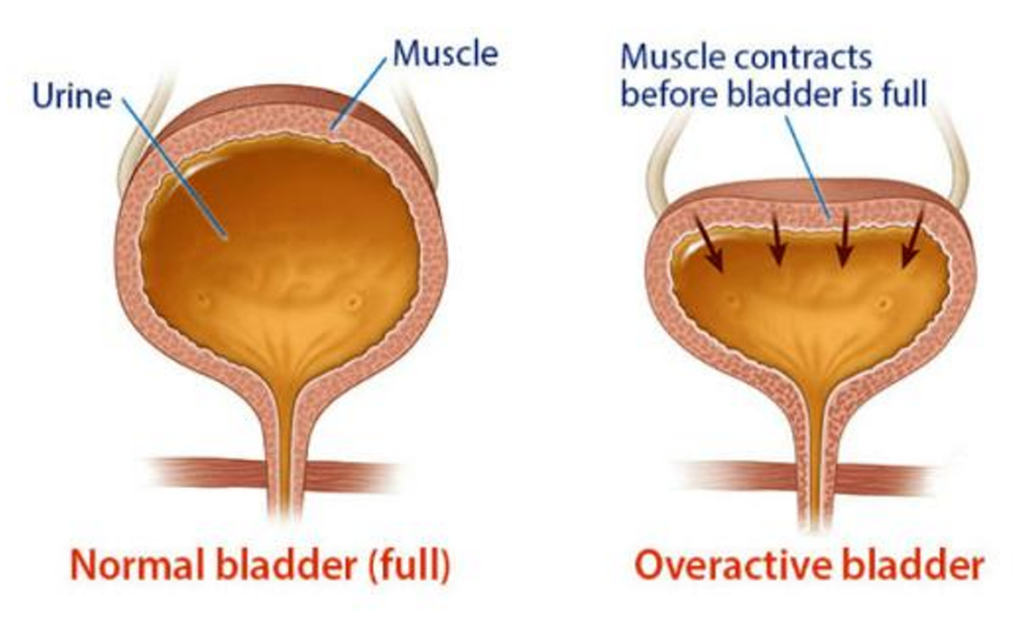
OAB is where the bladder muscle (the Detrusor) contracts before the bladder is full creating the urgency and the increased frequency to pass urine. This may also lead to leaking of urine if you can’t get to the toilet quickly enough.
Waking at night to pee frequently interrupts your sleep and can be exhausting for people who have a demanding job.
OAB is a chronic condition that affects both men and women, and can have a huge impact on their quality of life; work, social functions and sex life.
Why causes an Overactive Bladder?
The exact cause of OAB is not fully understood, but it is thought that it can be caused by;
- neurological conditions interrupting the nerve supply to the bladder such as Multiple Sclerosis or Parkinsons Disease
- lifestyle factors like drinking too much caffeine or alcohol, or eating too spicy or acidic foods
- enlarged prostate in men
- recurrent urinary tract infections (UTI)
- Diabetes
- hormonal changes during Menopause
- chronic constipation or other bowel conditions
- some medications such as diuretics
OAB is most common in women, but can affect men, women and children of any age. It is estimated that around 12% of the UK population suffer with OAB.
How is Overactive Bladder diagnosed?
OAB is diagnosed following a review of your medical history and symptoms. Completing a Bladder Diary, understanding your fluid intake and monitoring things like the amount of caffeine and carbonated drinks you have per day, what medication you are taking, and how long you have been having your symptoms will help your doctor in diagnosing OAB.
To assist in the diagnosis however your doctor may arrange for you to have some tests such as a Urodynamic or Uroflow Study. They may also organise for you to have a CT scan, or a cystoscopy to visually look at your bladder lining
and urethra.
How do you treat Overactive Bladder?
Without treatment OAB can be very disruptive socially and impacts on family relationships as well. You may not want to do things that you enjoy for fear of being too far away from a toilet and leaking, which can be embarrassing, and it can affect your sleep and sex life causing you to be tired and short tempered.
Treatment of OAB is dependent on your particular experiences and possible causes. You may only need one type/ form of treatment, or you may need a combination of the below;
- Lifestyle changes – some patients find changing their diet and monitoring the types and amounts of fluids they have daily can help. Reducing the amount of caffeine you drink, the amount of alcohol and fizzy drinks you have will also help as these are irritants to the bladder in general. Avoiding citrus fruits, spicy food, and tomato-based food has also shown to be helpful in reducing the symptoms. Ensuring you maintain a healthy diet to support regular bowel movements to prevent constipation and stopping smoking can also help as tobacco is an irritant too.
- Medications – Check with your GP or consultant about medications you are taking especially if you are taking diuretics. You can also discuss what types of medication you can take to help relax your bladder such as Mirabegron
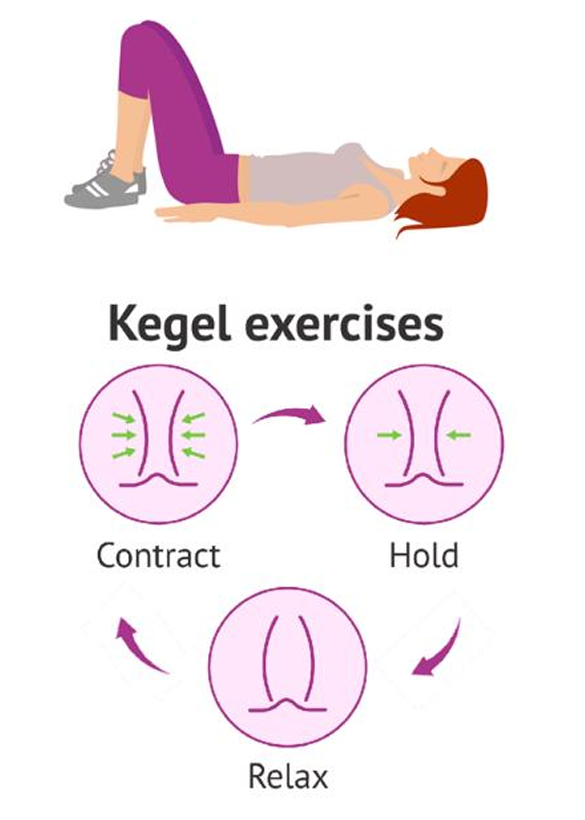
- Bladder retraining – training your bladder muscles to hold your pee better can help reduce the frequency and urgency. Start by attempting to pass urine every hour whether you feel the urge to pee or not, and when you do get the urge to pee try holding it for a few minutes longer and don’t rush to the toilet, but instead walk calmly. Once you have regained some control you can then start to increase the length of time between going to the toilet and begin to hold more urine in your bladder. Pelvic floor or Kegel exercises can also help in strengthening your bladder muscle.
Contacting the team
If you have any further questions, please contact the Urology Booking Team on:
Telephone – 01279 962391 or
Office hours: 09:00 to 16:00
There is an answerphone available outside of these hours. Please leave a message and a member of the team will contact you.
If you would like this leaflet in another language or format, or you would like to give feedback on your care, please contact our patient experience team on [email protected]