
Erectile Dysfunction (297kB pdf)
Introduction
We hope this guide will answer your questions about Erectile Dysfunction. Please contact the team if you require further information via the details at the end of this leaflet.
What is Erectile Dysfunction?
Erectile Dysfunction (sometimes referred to as ED or impotence), is the term used when men are unable to get or achieve a sufficient erection to perform sexual intercourse.
It is quite normal for men to have difficulty in getting or maintaining an erection from time to time. This can happen due to being tired, stressed or distracted, but in most cases once these triggers have passed it should be possible to achieve an erection again.
Occasional problems resulting in poor or no erection is not ED, a persistent inability to get an erection or maintain one, is.
What causes Erectile Dysfunction?
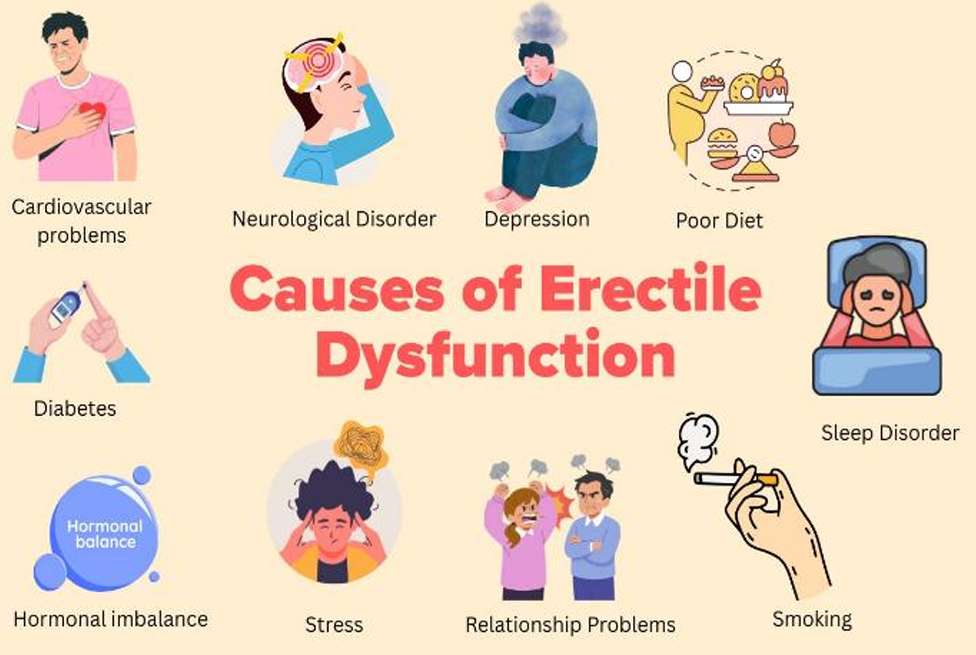
ED is a common condition affecting approximately 10% of men and can be caused by a number of, or combination of factors such as;
- medical/ physiological conditions such as vascular disease, high blood pressure, high cholesterol, diabetes, hormonal imbalance or Peyronie’s Disease
- neurological conditions such as Multiple Sclerosis or Parkinsons
- nerve damage through pelvic, genital trauma or surgery
- psychological conditions such as depression, anxiety and stress
- lifestyle choices such as smoking, excessive alcohol consumption or drug misuse/ abuse
- age
How does normal erection occur?
To better understand what might cause ED it is useful to understand how erections happen generally.
As a man becomes aroused by either visual or physical stimulation, or sexual contact, the brain sends impulses down the spinal cord to the nerves within the penis. It is these nerves that allow blood to flow into the penis causing it to enlarge and harden.
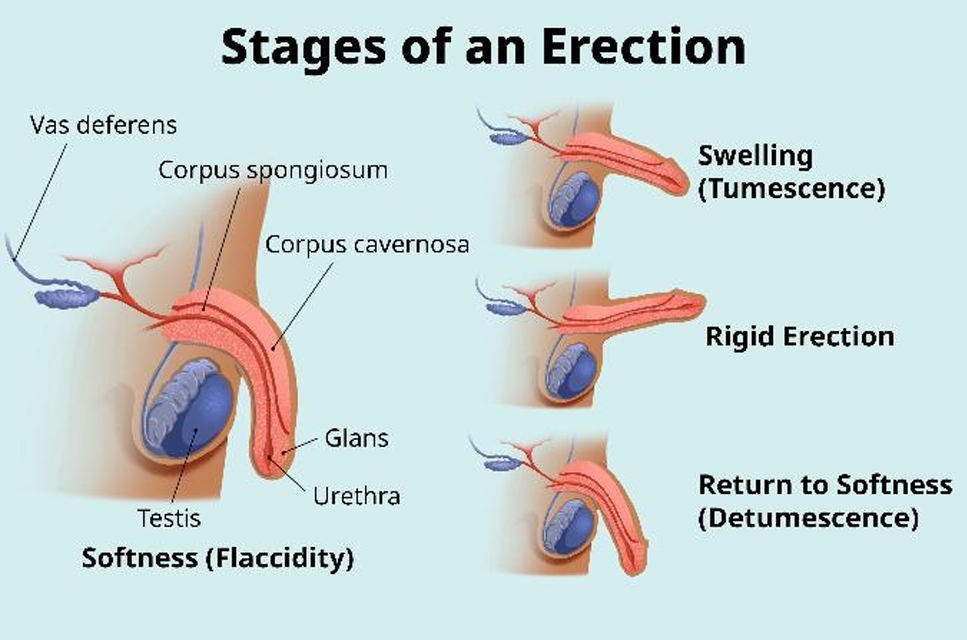
Erections usually happen as a result of sexual arousal, although not always. They can occur for no obvious reason, especially in boys going through puberty. It’s also normal to sometimes wake up with an erection even if not feeling aroused.
Usually, though, getting an erection requires being sexually aroused. Feeling anxious,
tired, preoccupied, or otherwise not turned on can stop this happening.
What treatments are available to help with Erectile Dysfunction?
There are several treatments that patients find can be helpful in treating ED. Some patients may try a number of these before finding the most effective for them, or may use a combination of them to achieve sustainable results. These include;
- Medication – the most commonly used form of treatment is tablet medication such as Viagra, Cialis or Sildenafil. Some patients also use injections such as Caverject, or Alprostadil Cream, or intraurethral capsules and your doctor will discuss these with you and which of these offer the best solution for you
- Therapy – counselling therapy may be useful in helping you manage things like stress and anxiety
- Hormone replacement therapy – Hormonal imbalance, particularly low Testosterone may contribute to ED
- Lifestyle Changes – improving your diet, taking regular exercise, stopping smoking and reducing alcohol intake has been beneficial for some patients
- Other devices such as a penile vacuum pumps or penile implants may be offered, however implants are usually the last option after all other methods of treatment have been tried
Is there anything I can do to help with Erectile Dysfunction?
No matter what causes ED, it can be a source of stress and anxiety for you and your partner. You should not assume that the issue will last as it is quite common for men to have erection problems sometimes for the reasons explained in this leaflet; thinking it will happen every time will cause more anxiety.
There are a few things you can do however to help improve your situation such as those
outlined below;
Do
- Eat a healthy diet
- Lose weight if you are overweight
- Stop smoking if you are a smoker
- Take some exercise daily
- Reduce stress and anxiety
Do not
- Reduce alcohol consumption – try to not drink more than 14 units per week
- Try to avoid foods that are high in saturated fats or sodium
- If you cycle for more than 3 hours per week try stopping for a while or reduce the amount and length of time you cycle for
Contacting the team
If you have any further questions, please contact the Urology Booking Team on:
Telephone – 01279 962391 or 01279 952807
Office hours: 09:00 to 16:00
There is an answerphone available outside of these hours. Please leave a message and a member of the team will contact you.
If you would like this leaflet in another language or format, or you would like to give feedback on your care, please contact our patient experience team on [email protected]