Pulmonary Embolism (PE) (234kB pdf)
Pulmonary Embolism (PE)
A PE occurs when a blood clot blocks an artery in the lung, blocking blood flow to part of the lung. It results from a blood clot that has formed in one of the deep blood vessels, usually the leg or pelvis, breaking away and travelling to the arteries of the lung(s).
A PE can be a potentially serious or life threatening condition.
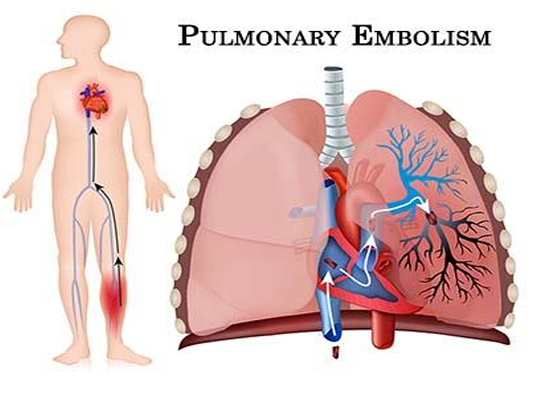
What causes a PE?
Sometimes there is no clear reason why a blood clot has formed, but there are associated risk factors such as:
- Pregnancy
- Cancer
- Obesity
- Surgery or prolonged immobility
- Previous or family history of blood clots
- Age over 60 years
- Certain oral contraceptive pills or hormone therapies.
- Underlying condition of ‘sticky blood’
- Smoking
Signs and Symptoms:
- Sudden shortness of breath
- Unexplained breathlessness (for example when doing something you can usually do without becoming breathless)
- Chest pain that can be sharp or stabbing and may get worse with deep breaths
- A rapid heart rate
- Unexplained cough, sometimes with blood-streaked mucus
- Coughing up blood
- Sudden collapse
If you experience these signs or symptoms, you should seek urgent medical attention.
How is PE diagnosed?
A combination of clinical assessment, blood tests, scans, ECG and X-rays may all be used in the investigation of PE. If PE is suspected the definitive scan is called a CT Pulmonary Angiogram (CTPA)
How is a PE Treated?
Your doctor will prescribe anticoagulation therapy to treat your PE. The anticoagulant medication, known as a ‘blood thinner’, will prevent the blood clot growing any larger which may help the symptoms of shortness of breath and/or chest pain; and prevents the blood from clotting as quickly as normal.
Your PE may be called “provoked” if there is a known cause eg recent surgery or “unprovoked” if no clear cause is identified.
Anticoagulant Medication
You will be prescribed an anticoagulant medicine in the form of a tablet or injection.
The choice of anticoagulant medication will be based on various factors e.g. kidney function, body weight, other medications that you are taking.
If you are prescribed an injection, then you, a relative, or a carer will be shown how to give them; and will be provided with a sharps bin to dispose of any sharps (needles) safely.
Please be aware that some anticoagulant injections are derived from animal (pork) origin. Please discuss this with your doctor or nurse if this is a concern to you.
What should you know about your anticoagulant medication?
To ensure optimal treatment of your PE, take the anticoagulant medicine exactly as prescribed by your doctor and do not miss any doses.
You must not stop taking your medication without first talking to your doctor as your risk of blood clots may increase.
Tell your healthcare provider about any other medicines you are currently taking, took recently, or intend to start taking before you start this medication. Tell your healthcare provider that you are taking an anticoagulant medication before any surgery or invasive procedure (including dental procedure).
Side effects related to anticoagulants
Like any medicine, anticoagulants may cause side effects, which will vary from person to person. Anticoagulant medication can increase the risk of bleeding and bruising. For more information on side-effects, refer to the patient information leaflet or contact your pharmacist.
When the diagnosis is confirmed you will be referred to the Anticoagulation service and receive a telephone consultation appointment within 2 to 3 weeks. Your GP will then be informed of the outcomes of your treatment.
It is important to remember anticoagulants only continue to work if you are taking them as prescribed.
Seek immediate medical advice from your GP or nearest Emergency Department if you experience any of the following:
- Unexplained breathlessness
- Chest pain
- Head injury
- Pink or brown urine
- Red or black, tarry stools
- Coughing up blood
- Vomiting blood, or vomit that looks like coffee grounds
- Excessive bruising or bleeding that does not stop on its own.
Contacting the team
If you have any further questions regarding anticoagulation, please contact the Anticoagulation team.
Telephone: 01279 973656
Office hours: 08:30- 17:30
There is an answerphone available outside of these hours. Please leave a message and a member of the team will contact you.
For any clinical information or queries regarding your PE please contact your GP or Respiratory team.
If you would like to give feedback on your care, please contact our patient experience team on [email protected] or 01279 827211.
Please Download the free app for further information and support: